
The Sanctuary Shift: Bathroom Remodeling Trends in 2026
The definition of a “modern” bathroom has undergone a radical transformation over the last decade. As we move through 2026, the focus has shifted from high-contrast utility to “quiet luxury”—a design philosophy that treats the bathroom as a furnished living environment rather than just a tiled box.
If you are planning a remodel, here is a look at the dominant trends of 2026 and how they differ from the styles that ruled the market just ten years ago.
- From “Clinical White” to “Organic Warmth”
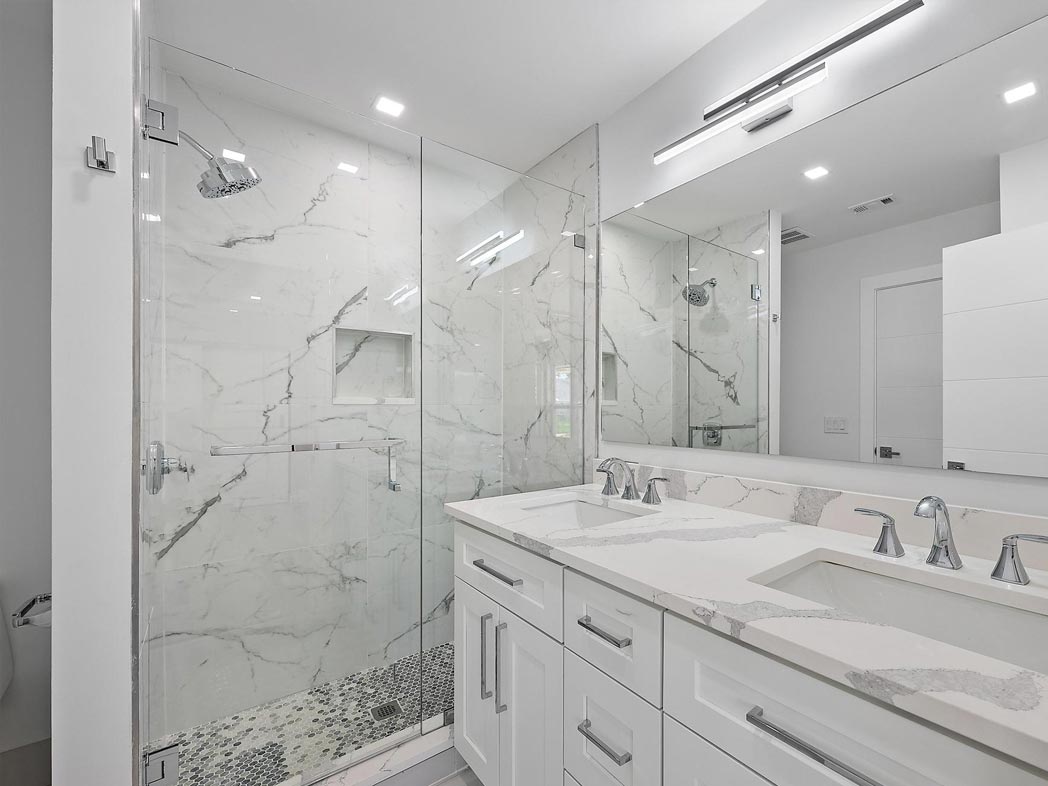
Ten years ago, the “Modern Farmhouse” and “Industrial” styles were at their peak. Bathrooms were dominated by stark white subway tiles, dark grout, and cool gray palettes. It was a clean look, but often felt clinical or cold.
In 2026, the “Organic Modern” aesthetic has taken over:
- The Palette: We’ve traded cool grays for sun-baked neutrals, terracotta, olive green, and rich caramels.
- The Texture: Instead of flat, machine-made tiles, we are seeing Zellige and handmade ceramics. These tiles have slight imperfections and “tonal drift” that catch the light, adding a sense of soul to the room.
- The Wood: Light-stained white oak and fluted wood detailing on vanities have replaced the painted Shaker cabinets of the mid-2010s.
- The Evolution of the “Wet Room”
In 2016, the “must-have” was a massive walk-in shower with a separate, often oversized, built-in soaking tub. This layout took up significant floor space and created a lot of glass to clean.
The 2026 standard is the Integrated Wet Room:
- The Layout: Both the freestanding tub and the shower are now housed behind a single glass partition. This “room within a room” approach makes the bathroom feel twice as large and streamlines the plumbing.
- Curbless Entry: The “trip hazard” shower curb is officially out. 2026 designs favor a seamless transition where the bathroom floor continues directly into the shower, achieved through advanced linear drainage systems.
- Technology: From Gadgets to Wellness Systems
A decade ago, “tech” in the bathroom usually meant a waterproof TV or a Bluetooth showerhead. They were fun novelties, but they didn’t necessarily improve the quality of the experience.
Today, technology is focused on “invisible” health and comfort:
- Circadian Lighting: 2026 bathrooms use smart LED systems that automatically shift from bright, cool light in the morning to soft, warm amber tones in the evening to help regulate your sleep cycle.
- Advanced Water Controls: Digital thermostatic valves allow you to pre-set your exact temperature and flow via an app. By the time you walk into the room, your shower or steam room is perfectly dialed in.
- Smart Surfaces: We now see antimicrobial glazes integrated into porcelain tiles and countertops, reducing the need for harsh chemical cleaners.
- Statement Lighting vs. Utility Lighting
In the past, lighting was mostly functional—typically a three-bulb “vanity bar” over the mirror and a single exhaust fan/light combo in the ceiling.
In 2026, lighting is treated as a compositional art form:
- The Chandelier Return: Sculptural pendants and small chandeliers are being placed over freestanding tubs to create a focal point.
- Layered Zoning: Designers now use “toe-kick” lighting (LED strips under the vanity) that acts as a motion-activated nightlight, and backlit mirrors that provide shadow-free “task lighting” for skincare and makeup.
- Sustainability and Longevity
The “fast-fashion” approach to home decor is fading. Ten years ago, people often chose materials based on the immediate “trend” of the year.
2026 remodelers are thinking in decades:
- Timeless Materials: Natural stone slabs (like marble and quartzite with dramatic veining) are favored over synthetic replicas.
- High-Performance Porcelain: Modern porcelain can now perfectly mimic wood or rare stone while offering 20+ years of durability with zero maintenance.
- Biophilic Design: Integrating live greenery—via small plant niches or even “living walls”—is no longer a niche hobby. It’s a standard way to manage humidity and improve indoor air quality.
Summary: Then vs. Now
Feature | Trend (Circa 2016) | Trend (2026) |
Color Palette | Stark White, Gray, Navy | Terracotta, Olive, Sand, Warm Wood |
Tile Style | Flat Subway Tile / Dark Grout | Zellige, Fluted Tile, Large Porcelain Slabs |
Shower Style | Enclosed Walk-in with Curb | Curbless “Wet Room” with Tub Inside |
Fixtures | Chrome or Brushed Nickel | Mixed Metals (Brushed Brass + Matte Black) |
Vanity | Painted Shaker Cabinets | Floating Vanities / Furniture-style Wood |
The Bottom Line: If the bathroom of 2016 was about looking clean and efficient, the bathroom of 2026 is about feeling warm and restored. By leaning into organic materials and smart, wellness-focused technology, you can create a space that won’t just look good on camera—it will improve your daily life.